Temu's annual report on intellectual property enforcement sets out expanded protections across seller onboarding and live listings, with proactive monitoring covering more than 15,000 brands
BOSTON, July 13, 2026 /PRNewswire/ -- Temu expanded its intellectual property (IP) protection over the past year, tripling the number of brands it proactively monitors to more than 15,000. The ratio of proactive removals to reactive takedowns for potentially infringing listings increased to 331:1, up from approximately 200:1 a year earlier, according to its 2026 Intellectual Property Protection Report.

The annual report, which covers the period June 2025 through May 2026, details how Temu enforces its platform rules governing IP rights and the results it has achieved.
Key figures from the report:
Temu proactively screens for and takes down infringing listings using a combination of its proprietary screening technology and a team of human expert reviewers. Early detection reduces the enforcement burden on brands, particularly smaller businesses without dedicated IP teams.
"We work to protect intellectual property before it becomes a problem for a rights holder," said a Temu spokesperson. "The report reflects our priorities of finding and removing potentially infringing listings proactively, resolving reported ones quickly and working directly with brands so the system keeps improving."
Screening at every stage
Temu vets sellers before they can join and list on the platform. Over the past year, more than 40% of new applicants were rejected at onboarding for failing verification checks. Temu terminated more than 16,000 stores over the period for repeated IP violations.
Every listing is screened against a detection database of more than 47 million images and 9.5 million keywords before it goes live and continues to be monitored after listing.
Temu has also rolled out a consumer awareness feature across all operating markets. Searches for terms like "fake," "dupe" and "counterfeit" return no results and show a message about the risks of counterfeits instead. The feature blocks more than 80,000 such searches each day.
Working with brands and businesses
Through the Brand Guardian Initiative (BGI), launched in April 2024, brands work with Temu to embed their trademarks and other IP rights into the platform's monitoring systems, so infringements are caught sooner. The initiative works directly with more than 3,000 brands, including about 500 small and medium-sized enterprises. Participating brands get one-on-one support and regular enforcement data whether or not they sell on Temu. Temu also offers IP compliance courses through its Seller Education Center.
Deeper collaboration with the IP community
Over the past year, Temu engaged with more than 130 IP associations, nearly double the year before. In April 2026 it joined the International Anti-Counterfeiting Coalition, building on its role in the coalition's Marketplace Advisory Council. It also works with international and national IP groups including the International Trademark Association and France's Union des Fabricants.
"Strong intellectual property protection is essential for a healthy marketplace," the Temu spokesperson said. "Our work protects legitimate brand owners and helps consumers buy with confidence and builds trust in our marketplace. We will continue to invest in the people, tools and partnerships that make that protection stronger."
Read the full 2026 Intellectual Property Protection Report.
About Temu
Temu is a global e-commerce platform connecting consumers with millions of manufacturers, brands and business partners. Operating in more than 90 markets worldwide, Temu is committed to providing affordable, high-quality products that enable customers to live better lives.
Photo - https://mma.prnewswire.com/media/3004887/IP_report_banner_infographic.jpg
 View original content:https://www.prnewswire.co.uk/news-releases/temu-triples-brand-coverage-in-proactive-ip-enforcement-push-302823324.html

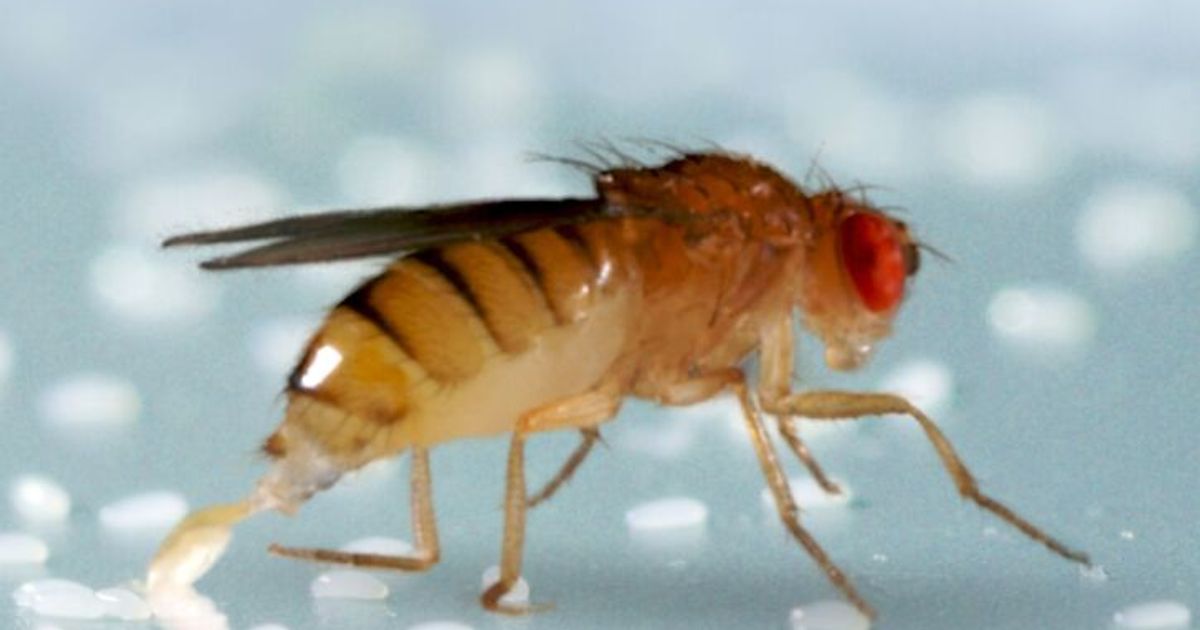
Die Artenvielfalt von Taufliegen (Drosophila) im Raum Wien ist in den vergangenen drei Jahrzehnten massiv eingebrochen. Forschende des Naturhistorischen Museums (NHM) Wien berichten, dass die Zahl der in der Stadt nachgewiesenen Arten im Vergleich zu einer Erhebung aus dem Jahr 1994 um rund 50 Prozent gesunken ist. Die Ergebnisse, die nun im Fachjournal „Ecology and Evolution“ veröffentlicht wurden, deuten darauf hin, dass vormals häufige Arten durch zugewanderte Taufliegen verdrängt worden sein könnten.
Grundlage der aktuellen Analyse ist das Citizen-Science-Projekt „Vienna City Fly“, das 2024 einfache Fliegenfallen an freiwillige Laienforscher in Wien, Niederösterreich und dem Burgenland verteilte. Die zurückgesandten Proben wurden für die nun publizierte Studie gezielt auf Fänge in unmittelbarer Nähe menschlicher Siedlungen beschränkt – also auf Innenräume, Balkone und Gärten. Damit liegt ein detailliertes Bild jener Drosophila-Gemeinschaft vor, die besonders eng an vom Menschen geprägte Lebensräume gebunden ist.
Insgesamt wurden mehr als 18.000 Taufliegen gesammelt und taxonomisch bestimmt; dabei identifizierte das Team um NHM-Forscher Martin Kapun 13 Drosophila-Arten. Bemerkenswert ist der Nachweis zweier Arten, die bislang in Österreich nicht registriert waren: Drosophila (D.) mercatorum und D. virilis. D. mercatorum ist ursprünglich in den USA, Mexiko und Südamerika verbreitet und wurde im vergangenen Jahrhundert nach Europa eingeschleppt, D. virilis stammt aus Asien und hat sich erst seit relativ kurzer Zeit über die nördliche Hemisphäre ausgebreitet.
Die Zusammensetzung der Populationen zeigt eine deutliche Verschiebung hin zu wenigen dominanten Generalisten. D. mercatorum mit rund 8.800 Nachweisen und die Modellorganismus-Art D. melanogaster mit etwa 6.700 Funden waren die mit Abstand häufigsten Spezies in den Proben. „Dominiert wird die Drosophila-Population im Wiener Stadtgebiet von Generalisten mit starker Affinität zum Menschen“, erklärte Kapun der Austria Presse Agentur zufolge. Die Ergebnisse unterstreichen, dass zunehmende Verbauung und die starke Prägung durch menschliche Siedlungen mit einem Rückgang der Biodiversität einhergehen können – auch bei unscheinbaren Insekten, die als wichtige Indikatoren für den Zustand urbaner Ökosysteme gelten.